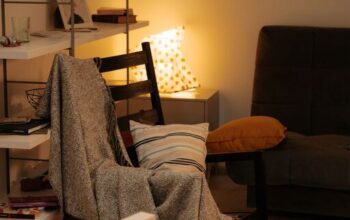
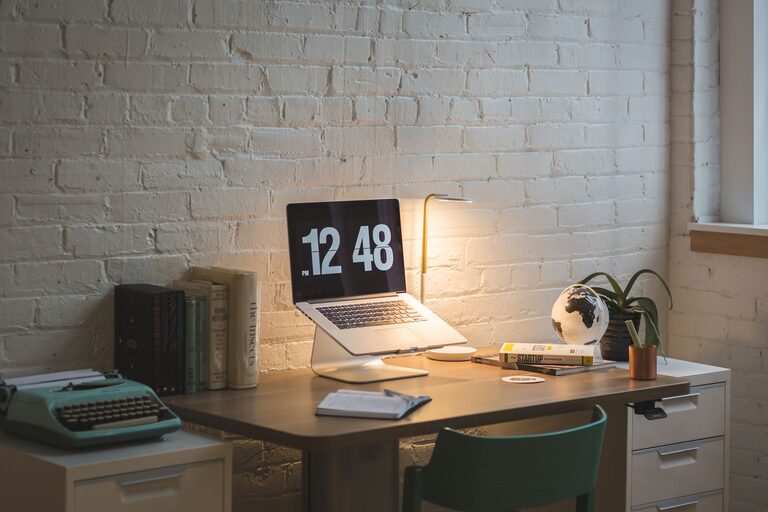
Creating a home office that feels comfortable and encourages productivity is essential, especially as more people embrace remote work. Whether you have a dedicated room or just a corner in your living space, setting up your workspace thoughtfully can make a big difference in how you work and feel throughout the day.
In this post, we’ll explore practical tips to help you design a home office that supports your focus, comfort, and overall well-being.
1. Choose the Right Location
Selecting the best spot for your home office is the first step. Ideally, choose a quiet area with minimal distractions. If possible, use a room with a door to separate work time from home life.
– Natural light: Try to position your desk near a window. Natural light improves mood and reduces eye strain.
– Avoid heavy traffic areas: Stay away from busy parts of the house, like the kitchen or living room, to minimize noise and interruptions.
– Space considerations: Make sure there is enough room for your desk, chair, and any equipment or storage you need.
2. Invest in Ergonomic Furniture
Comfort is crucial, especially if you spend long hours at your desk. Ergonomic furniture helps prevent discomfort and reduces the risk of strain or injury.
– Ergonomic chair: Look for an adjustable chair that supports your lower back, encourages good posture, and allows your feet to rest flat on the floor.
– Desk height: Your desk should match your sitting height so that your elbows are at a 90-degree angle when typing.
– Standing desks: If you prefer flexibility, consider a standing desk or a desk converter to alternate between sitting and standing.
3. Organize for Efficiency
A clutter-free workspace supports focus and productivity. Keeping your office organized helps you find what you need quickly and maintain a clear mind.
– Storage solutions: Use shelves, drawers, and filing cabinets to keep papers and supplies out of sight but accessible.
– Cable management: Tidy up cords and cables with clips or sleeves to reduce clutter and hazards.
– Daily tidying: Spend a few minutes at the end of each day to organize your desk, so you start fresh the next morning.
4. Optimize Lighting
Proper lighting reduces eye strain and enhances your work environment.
– Layer your lighting: Combine natural light, overhead lights, and task lighting such as a desk lamp.
– Adjust brightness: Choose lamps with adjustable brightness and color temperature to suit the time of day.
– Reduce glare: Position monitors to avoid glare from windows and lights.
5. Personalize Your Space
Your home office should feel inviting and inspire you to work. Personal touches can help create a space where you enjoy spending time.
– Decor: Add artwork, plants, or photos that make you happy and relaxed.
– Color: Choose calming colors for walls or décor items, like soft blues or greens, which can boost concentration.
– Scent: Consider a subtle air freshener or essential oils for a pleasant atmosphere.
6. Set Up Technology Thoughtfully
Reliable technology is a must-have for working from home effectively.
– High-speed internet: Ensure your internet connection is stable and fast enough for video calls and file sharing.
– Monitor placement: Position screens at eye level to prevent neck strain.
– Accessories: Use a good quality keyboard, mouse, and headset to improve comfort and communication.
7. Establish Boundaries
Setting clear boundaries between work and personal life helps maintain balance.
– Work hours: Define your start and end times to avoid overworking.
– Breaks: Take regular breaks to rest your eyes and stretch your body.
– Signaling: Use signs or signals to inform household members when you are busy or in meetings.
8. Keep Air Quality and Temperature Comfortable
Creating a space with fresh air and a comfortable temperature promotes alertness and well-being.
– Ventilation: Open windows when possible or use air purifiers for cleaner air.
– Temperature: Adjust the thermostat or use fans and heaters to maintain a comfortable climate.
– Plants: Indoor plants can naturally improve air quality and add a touch of greenery.
Conclusion
Designing a home office that balances comfort and productivity is achievable by paying attention to your environment, ergonomics, and routine. With these tips, you can create a workspace that supports your best work while making your day more enjoyable. Remember, a good home office is about what works best for you—so feel free to adapt these suggestions to fit your unique needs and preferences. Happy working!