Creating a relaxing home workspace is essential for maintaining focus and reducing stress, especially if you spend long hours working from home. A well-designed environment can improve your mood and productivity, helping you work more efficiently without feeling overwhelmed. Below are practical tips to help you design a calming and functional workspace tailored to your needs.
Choose the Right Location
Selecting the perfect spot for your workspace is the first step in creating a relaxing atmosphere.
– Quiet and Private: Opt for a quiet area away from household noise, such as a spare room or a corner in your living room.
– Natural Light: Position your desk near a window to enjoy natural light, which can improve mood and reduce eye strain.
– Minimal Distractions: Avoid spaces with heavy foot traffic or noisy appliances to maintain concentration.
Invest in Comfortable Furniture
Comfort plays a big role in how relaxing your workspace feels.
– Ergonomic Chair: Choose a chair that supports your back and encourages good posture.
– Adjustable Desk: Consider a desk with adjustable height to alternate between sitting and standing.
– Proper Desk Size: Ensure your desk has enough surface area for your computer, documents, and other essentials without feeling cluttered.
Keep It Organized and Clutter-Free
A tidy workspace helps clear your mind and reduce anxiety.
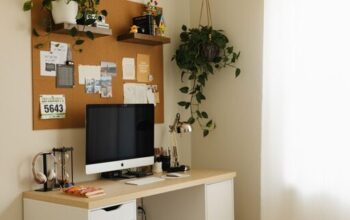
– Storage Solutions: Use shelves, drawers, or baskets to store office supplies and paperwork neatly.
– Daily Declutter: Spend a few minutes at the end of each day organizing your desk.
– Cable Management: Use clips or cable organizers to keep wires out of sight and prevent tangling.
Incorporate Calming Colors and Decor
The colors and visuals in your workspace can influence your mood.
– Neutral and Soft Colors: Shades like light blue, green, or beige can create a soothing environment.
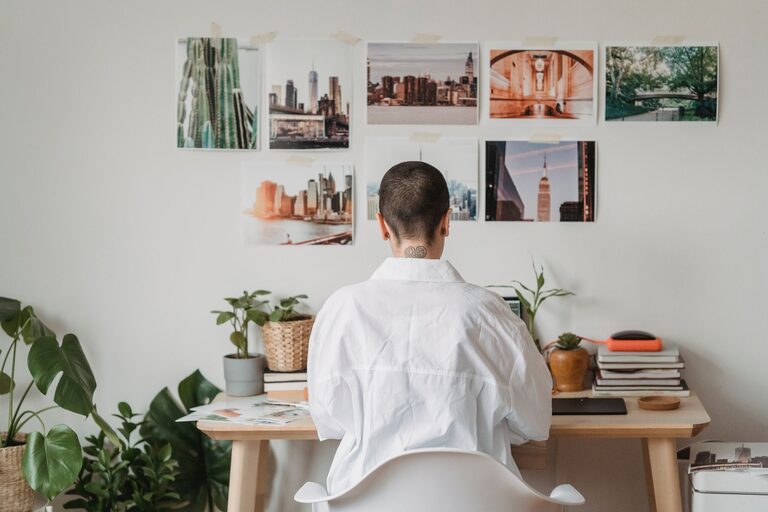
– Personal Touches: Add a few meaningful items, such as photos or artwork, without overcrowding the space.
– Plants: Indoor plants improve air quality and add a touch of nature, which helps reduce stress.
Optimize Lighting
Good lighting reduces eye strain and keeps you alert.
– Layered Lighting: Use a combination of ambient, task, and accent lighting.
– Desk Lamp: A lamp with adjustable brightness helps when working in the evening or on cloudy days.
– Avoid Glare: Position screens and light sources to avoid reflections that can cause discomfort.
Minimize Noise and Distractions
A calm workspace needs to control unwanted sounds.
– Noise-Canceling Headphones: Great for focusing in noisy environments.
– Soundproofing: Consider rugs, curtains, or acoustic panels to soften sound.
– White Noise: A fan or white noise machine can mask distracting noises.
Set Boundaries Between Work and Relaxation
Creating psychological boundaries helps you unwind after work.
– Dedicated Space: Avoid using your workspace for leisure activities.
– End-of-Day Routine: Close your laptop, turn off work notifications, and physically leave the workspace.
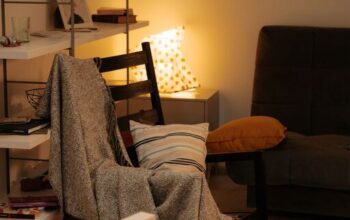
– Comfortable Sitting Area: If possible, have a separate spot for relaxation, like a cozy chair nearby.
Incorporate Technology Wisely
Technology should support your work without adding to stress.
– Reliable Equipment: Use a dependable computer and fast internet connection to avoid frustrating interruptions.
– Organized Digital Files: Keep your digital workspace as tidy as your physical one.
– Take Breaks: Use apps or timers to remind you to rest your eyes and stretch regularly.
Personalize Your Workspace for Motivation
Adding elements that inspire you can make your workspace more inviting.
– Quotes or Vision Board: Display motivational phrases or images representing your goals.
– Favorite Scents: Use subtle aromatherapy, like lavender or eucalyptus, for relaxation.
– Music or Nature Sounds: Soft background sound can enhance focus and create a pleasant atmosphere.
Maintain Your Workspace Regularly
A relaxing workspace requires ongoing attention.
– Weekly Cleaning: Dust surfaces and wipe down your desk.
– Review and Adjust: Periodically assess your setup and make changes as your needs evolve.
– Stay Consistent: Developing and maintaining good habits ensures your workspace remains a place you enjoy spending time.
—
By putting these tips into practice, you can transform your home workspace into a peaceful and productive environment. A relaxing workspace not only supports your work goals but also contributes to your overall well-being. Creating this balance is key to enjoying your work-from-home experience.