
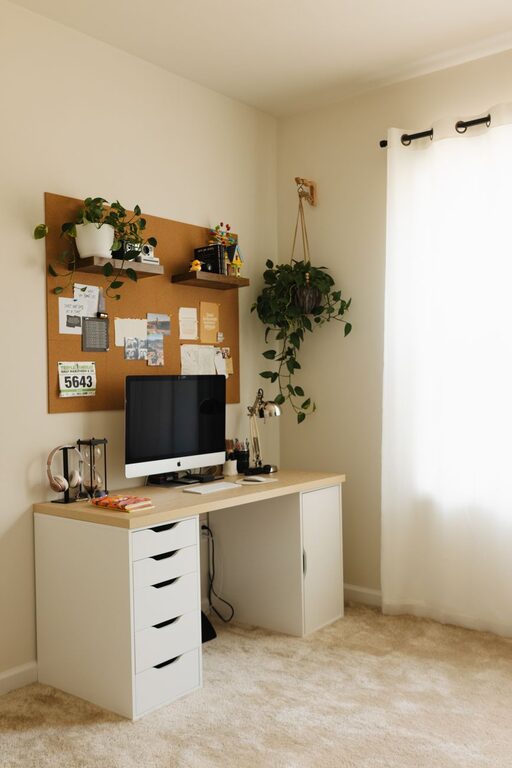
Creating a cozy and functional home office space is essential for anyone working from home or managing personal projects. A well-designed workspace can boost productivity, reduce stress, and make working hours more enjoyable. If you’re looking to transform a corner of your home into a perfect office, this guide offers practical tips to balance comfort with functionality.
Why a Cozy and Functional Home Office Matters
Your home office should be a place where you can focus without distractions but also feel comfortable enough to stay motivated. Combining coziness with functionality means arranging your workspace in a way that supports your work habits and enhances your well-being.
Choosing the Right Location
Find a Quiet Spot
Select a space in your home that is as quiet as possible. Avoid areas with high traffic or frequent interruptions. A spare room, a nook in the living room, or part of your bedroom can work if set up wisely.
Consider Natural Light
Natural light boosts mood and productivity. Position your desk near a window if possible. However, be mindful of glare on your computer screen and adjust curtains or blinds to balance light.
Furniture Selection for Comfort and Efficiency
Invest in a Quality Desk and Chair
Your desk should provide enough surface area for your computer, workspace, and any essential tools. An ergonomic chair supports good posture and reduces discomfort during long work periods.
Add Storage Solutions
Keep clutter at bay with shelves, filing cabinets, or drawer organizers. Organized storage makes it easier to find documents and materials, keeping your desk tidy and your mind clear.
Lighting – Balance is Key
Layer Your Lighting
In addition to natural light, use a combination of overhead lighting and task lighting. A desk lamp with adjustable brightness can help reduce eye strain during late-night work sessions.
Choose Warm Light for Coziness
Soft, warm lighting creates a calming atmosphere, which can help reduce stress and increase comfort.
Personalize Your Space for Motivation
Add Plants
Indoor plants improve air quality and add a touch of nature, making your workspace feel more inviting.
Use Colors Wisely
Choose soothing colors such as soft blues, greens, or neutrals. These tones promote calmness and focus. Avoid overly bright or distracting colors that may affect concentration.
Display Personal Items
Photos, artwork, or meaningful objects can make your office feel like your own space, fostering a sense of enjoyment.
Organize to Maximize Productivity
Keep Essential Items Within Reach
Arrange your most-used tools, such as pens, notebooks, or chargers, within easy reach to minimize distractions.
Use Cable Management Solutions
Tidy cables reduce clutter and create a safer environment. Cable clips, sleeves, or under-desk trays are simple ways to organize cords.
Create Boundaries Between Work and Home
Define Your Workspace Clearly
Use rugs, room dividers, or furniture placement to create a physical boundary between your office and the rest of your home.
Establish Work Hours and Habits
Having a consistent schedule helps your brain associate this space with work, making it easier to focus during designated times.
Incorporate Comfort Features
Temperature Control
Make sure your office area stays comfortably warm or cool. A small fan or space heater can help regulate temperature if needed.
Include Ergonomic Accessories
Consider a footrest, wrist support, or monitor stand to reduce strain during work.
Keep it Clean and Clutter-Free
A tidy workspace helps maintain a clear mind. Regularly declutter and clean your office to create an inviting environment that encourages productivity.
Conclusion
Designing a home office that balances coziness and functionality doesn’t require a complete makeover. Simple adjustments like choosing the right location, investing in comfortable furniture, managing lighting, and personalizing the space can create an environment that enhances both productivity and well-being. Use these tips to build a workspace that inspires and supports your daily work.